Proof from the product
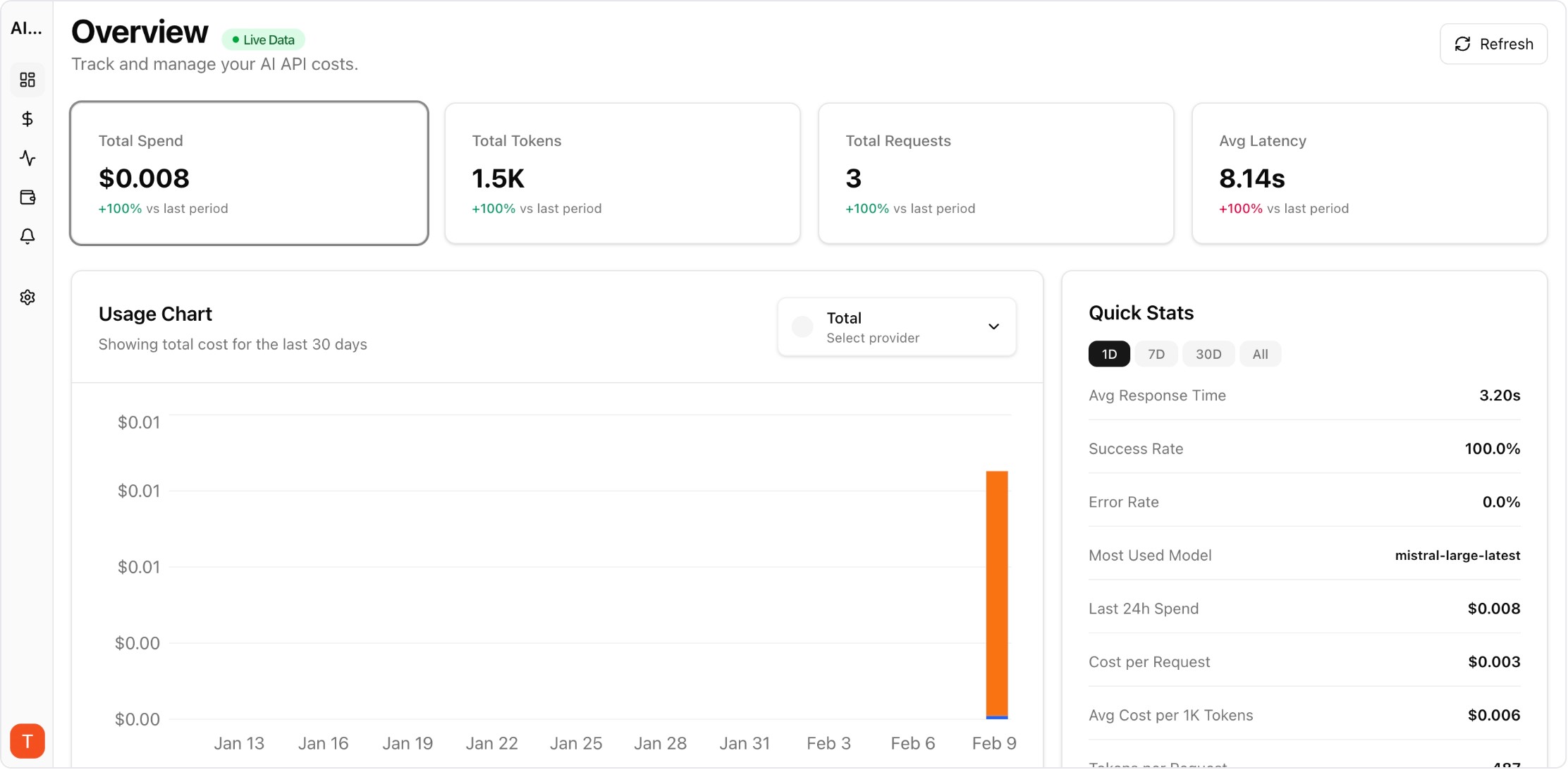
Real UI snapshot used to anchor the operational workflow described in this article.
Single-provider setups are simple at first, but they create concentration risk. Outages, price changes, and latency spikes can impact your product instantly. A multi-provider strategy improves resilience and gives you leverage on cost and performance.
Real UI snapshot used to anchor the operational workflow described in this article.
Assign primary and fallback providers per workload type. For example: one provider for long-form generation, another for low-latency classification. Avoid one global default for all traffic.
Fallback should be policy-driven, not manual. Trigger fallback on timeout threshold, error class, or health score. Keep per-project overrides for critical endpoints.
Failover success is not just uptime. Measure quality indicators, token efficiency, and p95 latency after rerouting so fallback does not silently degrade user outcomes.
Store keys by workspace and project. This limits blast radius and makes key rotation safer, especially across staging and production environments.
Provider performance and pricing evolve quickly. Revisit routing decisions monthly using request logs, budget data, and latency comparisons.
LLM Retry Policy Cost Impact: How Backoff Rules Change Your AI Bill
provider-strategy · commercial
Shadow Traffic Provider Evaluation: Compare LLM Providers Without User Risk
provider-strategy · problem
AI Cost Anomaly Detection Playbook for High-Volume LLM Products
observability · how-to
Model Downgrade Strategy During Peak Hours Without Breaking User Experience
provider-strategy · problem
A multi-provider setup is not complexity for its own sake. Done right, it improves uptime, controls cost, and gives your team operational flexibility.