Proof from the product
Real UI snapshot used to anchor the operational workflow described in this article.
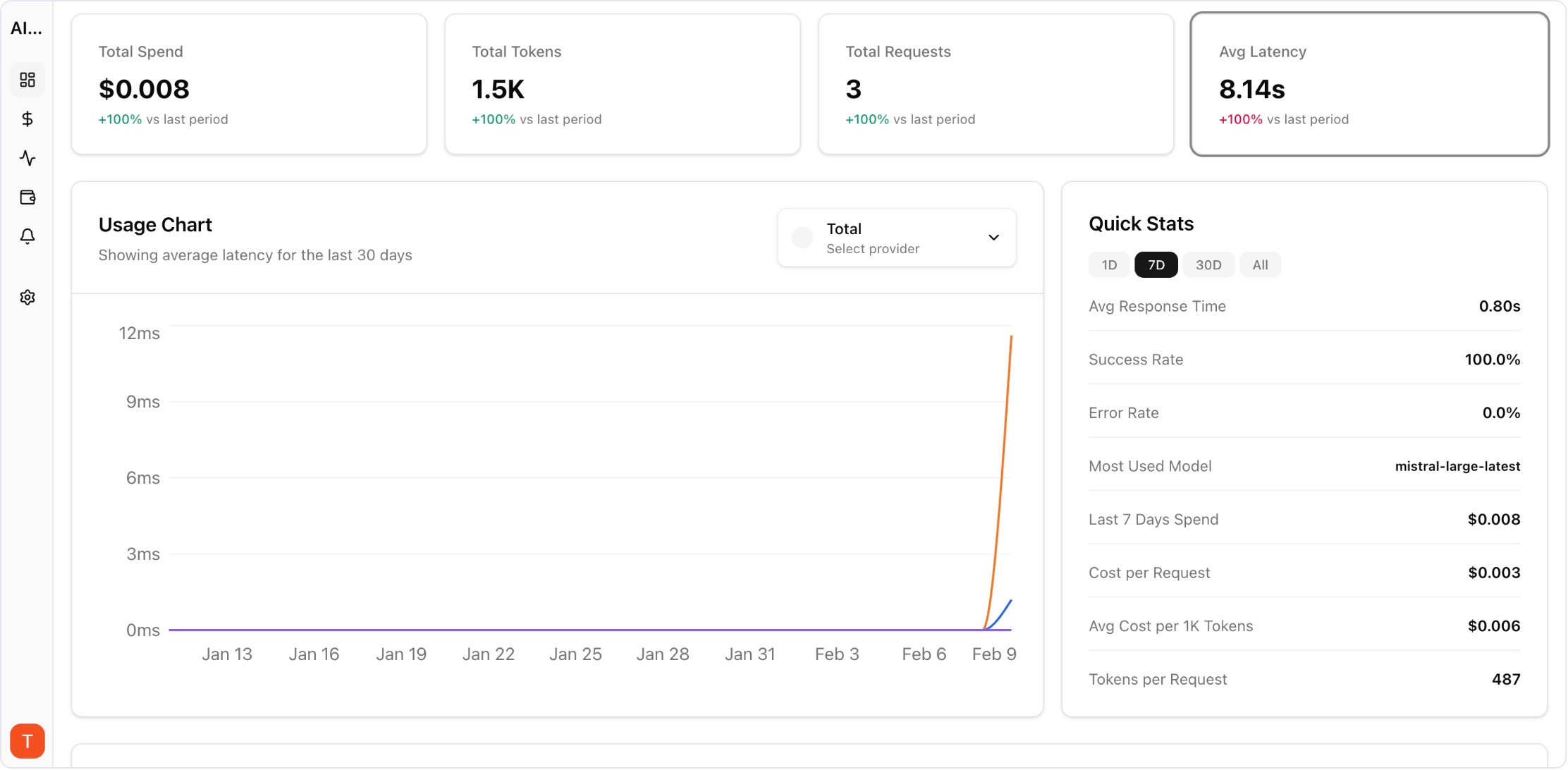
Finance needs accurate month-end reporting while engineering needs fast operational diagnostics. Many organizations maintain separate views that conflict. A shared reporting model improves trust and speeds decision-making.
Real UI snapshot used to anchor the operational workflow described in this article.
Agree on definitions for spend, accruals, cost per request, and variance. Shared definitions are the foundation for reports that both finance and engineering can defend.
Provide executive summaries, team-level views, and request-level drill-down. Different roles need different granularity, but all views should reconcile to the same totals.
Track variance versus budget and annotate drivers such as traffic growth, model mix changes, or incident retries. Root-cause tagging turns reports into action plans.
Use weekly operational snapshots plus monthly financial close reports. A dual cadence supports both rapid correction and formal planning processes.
Historical reporting alone is not enough for planning. Add rolling forecasts with confidence ranges so teams can act before variance becomes overrun.
Hold recurring finance-engineering reviews with clear owners for mitigation actions. Consistent governance converts reporting insights into sustained cost improvements.
LLM Cost Optimization Guide: 11 Tactics to Reduce AI Spend Without Losing Quality
cost-optimization · framework
AI Observability Stack for SaaS Teams: What to Measure Beyond Tokens and Spend
observability · framework
AI Feature Unit Economics Framework for SaaS and Agency Teams
cost-optimization · framework
Copilot Feature Profitability Analysis: Measure AI Assistants Like a Product Line
cost-optimization · framework
Shared cost reporting reduces friction and improves execution speed. With unified dashboards, finance and engineering can make faster, evidence-based decisions on AI investments.