Use Case

RAG Cost Monitoring and Performance Control

RAG systems fail expensively when retrieval misses, prompts bloat, or retries cascade. This use case maps cost and performance across the full request chain.

Audience: Engineering, Platform, AI/ML Ops

What to measure

MetricWhy it matters
Retrieval vs generation cost splitIdentify whether vector/search or model calls drive spend.
End-to-end latencyTrack user-visible performance, not isolated model latency only.
Retry count per requestExpose hidden spend multipliers from failure handling.
Context token sizeSpot prompt/context drift before bills spike.

Proof from the product

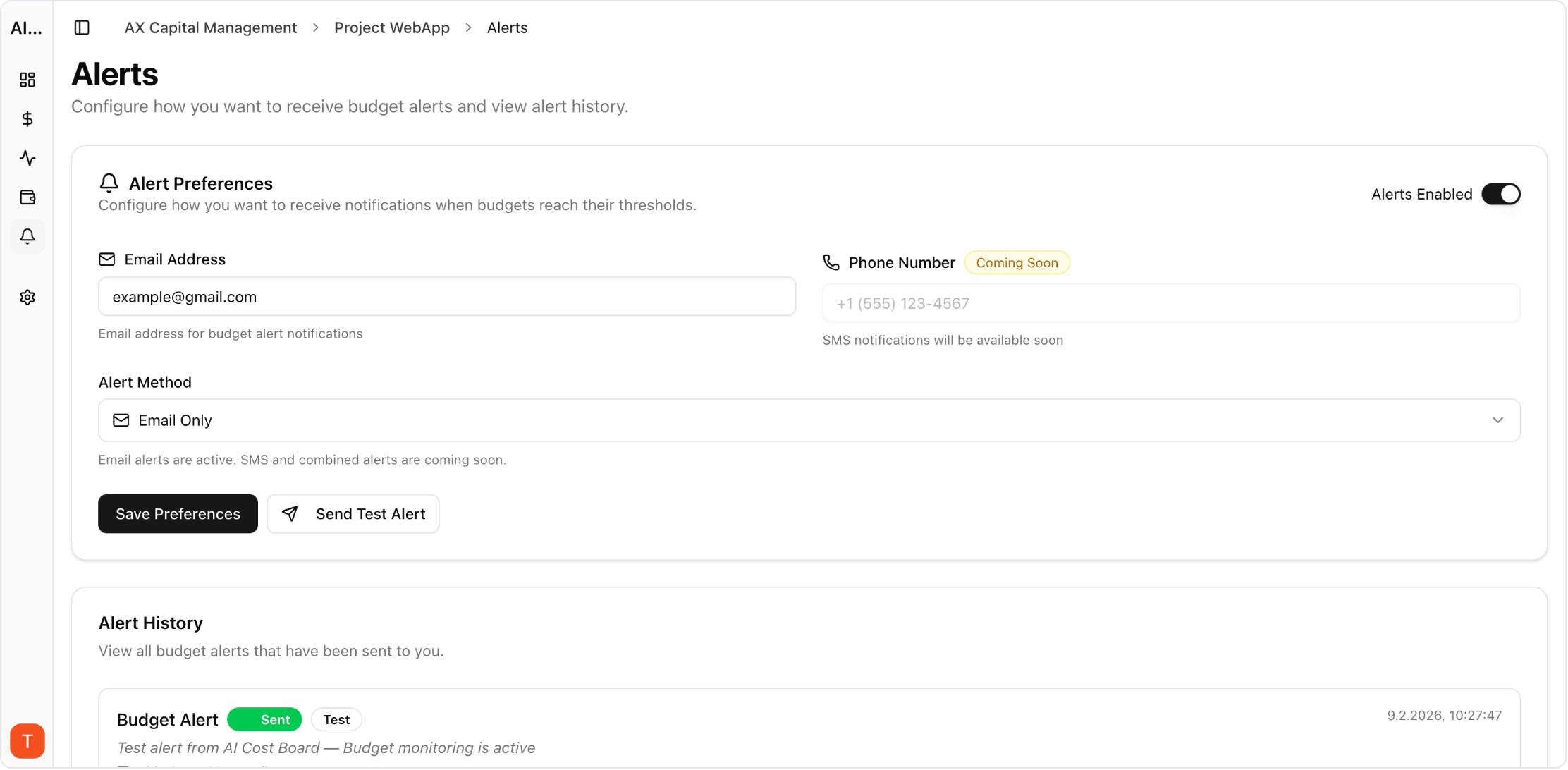
Real UI snapshot from AI Cost Board used in production workflows.

RAG Cost Monitoring and Performance Control proof screenshot

Real product UI used to support this operational workflow.

Implementation steps

  1. 1. Log retrieval and generation stages under one request trace ID.
  2. 2. Track token usage and cost by stage and project.
  3. 3. Alert on retry spikes, context growth, and latency regressions.
  4. 4. Review routing and caching opportunities by workload class.

FAQ

What causes RAG cost spikes most often?

Common causes are context bloat, repeated retries, duplicate retrieval calls, and model over-selection for low-risk queries.

Should I monitor retrieval separately?

Yes. Retrieval and generation should have separate cost and latency signals plus an end-to-end metric.

Can I compare providers in RAG?

Yes. Compare model cost, latency, and error behavior using the same retrieval context profile.